Measles outbreak in Bangladesh kills over 1,000 children as immunization gaps persist
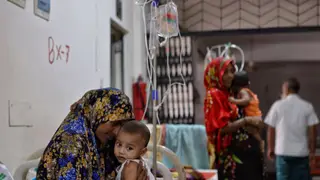
Bangladesh is experiencing its worst measles outbreak, with at least 1,002 child deaths and nearly 190,000 infections since March. Health officials attribute the crisis to gaps in the national immunization program that emerged during political turmoil in 2024-2025. The World Health Organization and UNICEF have linked the outbreak to missed vaccinations.
The outbreak, which began in March, has overwhelmed healthcare facilities already battling a severe dengue epidemic. Over 45,000 dengue patients have been hospitalized, with Tuesday marking a record high for both admissions and fatalities from that mosquito-borne illness. The concurrent crises have stretched medical resources thin, complicating treatment for measles patients.
A mass vaccination campaign launched in April successfully reached 18 million children, yet roughly four million remained unvaccinated, preventing the establishment of herd immunity. Health authorities attribute the initial shortfall to vaccine procurement disruptions that occurred during the 2024-2025 political upheaval following the removal of former Prime Minister Sheikh Hasina. Officials continue to search for missed children.
The prolonged outbreak could have lasting repercussions for Bangladesh's public health infrastructure, as the failure to achieve herd immunity may leave millions of children vulnerable to future vaccine-preventable diseases. Families in rural and underserved areas may bear the brunt of this gap, facing both the immediate mortality risk and long-term health complications. Additionally, the strain on hospitals could erode public trust in routine immunization programs, potentially leading to lower future vaccination rates and recurring outbreaks.