Ancient Indonesian chewers used betel nuts for pain relief 25,000 years ago
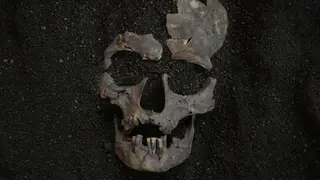
Archaeologists discovered the earliest known habitual use of a psychoactive substance, with evidence of betel nut chewing in Indonesia during the last ice age. The practice likely served as a painkiller for toothaches among hunter-gatherers. This pushes back the timeline of intentional drug use by thousands of years.
The discovery places the practice in Indonesia during the final stages of the Pleistocene. It represents the oldest documented routine consumption of a mind-altering plant.
Researchers propose that these ancient foragers chewed the nuts to alleviate dental discomfort. This finding significantly extends the known chronology of deliberate drug use among prehistoric peoples.
This evidence could reshape scholarly views on prehistoric medicine, suggesting that early humans employed psychoactive plants for practical therapeutic ends. It may also prompt broader public reflection on the deep antiquity of self-medication, potentially influencing how modern societies perceive the historical relationship between pain relief and natural substances.