New census rule would exclude nonpermanent residents from House seat allocation
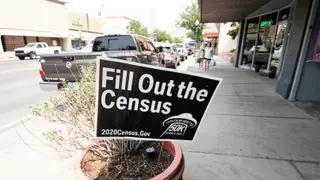
The Trump administration unveiled a proposed rule to omit undocumented and temporary immigrants from the population counts used to distribute House seats after the 2030 census. The plan also includes adding a citizenship question and scaling back racial and ethnic data collection. The proposal is expected to face legal challenges and congressional opposition.
The administration previously attempted a similar exclusion in 2020, but pandemic-related delays pushed the count into the next administration, which abandoned the effort. The current proposal aligns with recent congressional bills, including a 2024 House measure and a Senate version sponsored by Bill Hagerty. New York's attorney general has already indicated plans to contest the rule in court.
Projections from 2020 suggested that omitting undocumented individuals could alter three congressional seats, potentially reducing representation for California, Florida, and Texas while increasing it for Alabama, Minnesota, and Ohio. A separate 2025 analysis found the change might have a balanced effect on national political power since 1980, though neither estimate factored in the exclusion of temporary legal residents.
This rule could significantly alter political representation by shifting House seats away from states with large immigrant populations toward others. It may also reduce the availability of detailed racial and ethnic data, potentially weakening the ability to identify and address discriminatory practices in redistricting. The legal challenges and congressional opposition could delay implementation, but if enacted, the changes might reshape electoral maps and federal resource allocation for over a decade.