Apple introduces cryptographic proof for iPhone photos to combat AI manipulation
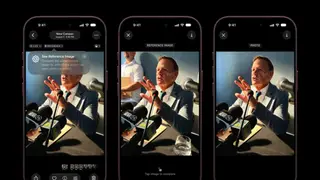
Apple's new 'Apple Reference Image' feature captures signed sensor data at the moment a photo is taken, creating a digital negative that can be compared against edited versions. The company is also supporting the SynthID standard to help identify AI-generated or altered images. This aims to give photojournalists and photographers a way to prove authenticity.
The verification process relies on encrypted metadata captured by the sensor and processed through Apple's private cloud infrastructure to establish a baseline record. Developers will receive access to application programming interfaces, enabling third-party software to check an image's provenance outside the native gallery.
This authentication push accompanies notable hardware changes, including a new variable aperture mechanism for the primary 48-megapixel lens. The system employs six ultra-thin polymer blades and a custom rotor to modulate light entry, offering enhanced control for low-light shooting conditions.
This feature could significantly bolster trust in visual journalism by providing a verifiable chain of custody for images. However, it may also create a divide where only users of specific high-end devices can produce authenticated media, potentially leaving other sources unverified. Widespread adoption of standards like SynthID could eventually help consumers navigate an increasingly synthetic visual landscape, though it may not address images captured outside these protected ecosystems.