Novel Biologic Cuts COPD Exacerbations in Phase III Studies
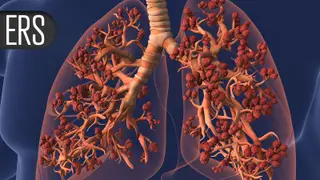
Two double-blind trials, OBERON and TITANIA, showed that monthly injections of tozorakimab, a first-in-class IL-33 inhibitor, reduced moderate to severe COPD exacerbations compared with placebo when added to standard inhaled therapy. The benefit was consistent across former and current smokers, with annualized exacerbation rates significantly lower in the tozorakimab arms. Researchers presented the findings at the European Respiratory Society Congress and highlighted the drug's potential for patients who continue to exacerbate despite guideline-based treatment.
The twin phase III studies each enrolled roughly 900 adults, averaging 67 to 68 years old and predominantly male. Unlike trials for other biologics, these studies did not filter participants based on blood eosinophil counts.
Tozorakimab blocks IL-33, a protein tied to multiple inflammatory responses, including mucus overproduction and vascular leakage. The investigator noted that the antibody's precise binding location on this complex molecule may account for its effectiveness where prior IL-33 inhibitors have not succeeded.
For the substantial population of COPD patients who continue to experience acute flare-ups despite standard inhalers, this new therapy could offer a meaningful reduction in severe episodes. Fewer exacerbations may translate to fewer emergency visits and hospitalizations, easing strain on healthcare resources. Additionally, the drug's distinct mechanism and lack of eosinophil restriction could broaden treatment eligibility, potentially allowing more patients to access biologic therapy tailored to their specific inflammatory profile.