Hong Kong's First Chief Executive Remembered for Navigating Handover Era
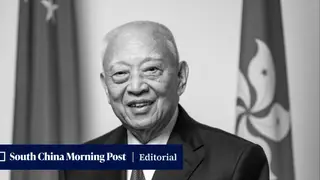
An editorial reflects on Tung Chee-hwa's tenure as Hong Kong's first post-handover leader, highlighting his efforts to implement 'one country, two systems' and his foresight in addressing housing and governance issues. Despite facing resistance and economic crises, he laid foundations for the city's growth.
A former shipping magnate without prior political office, Tung was appointed in 1997 to prove the feasibility of the "one country, two systems" framework. He took charge of a 6.5 million-strong populace grappling with uncertainty and a civil service that frequently slowed his reform agenda.
His time in office was marked by the Asian financial crisis, which forced him to abandon a yearly 85,000-home construction goal, and the 2003 SARS epidemic plus large protests that halted national security legislation. Nevertheless, he secured mainland visitor and trade pacts, launched the first ministerial accountability system, and pushed for cross-border transport links.
This retrospective could influence how Hong Kong residents and policymakers evaluate the balance between autonomy and integration. It may reinforce arguments for proactive housing and infrastructure initiatives, while also highlighting the historical friction between reformist agendas and public protest. The framing of Tung's foresight could bolster current narratives prioritizing mainland connectivity, potentially shaping public expectations for how future leaders navigate similar economic and political pressures.