Hong Kong market braces for volatility without state backstop
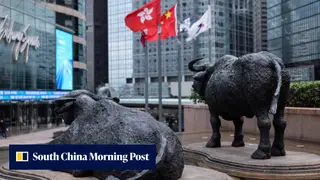
Hong Kong stocks are facing heightened volatility without the state support that stabilises mainland markets. Factors include geopolitical tensions, weak earnings, a faltering AI trade, and possible US monetary tightening. The Hang Seng Index fell 1.3 per cent on Thursday amid global risk aversion.
Renewed Middle East hostilities have pushed crude above $100 a barrel, while a US Treasury purchase failed to calm bond markets. Additionally, expectations of faster Bank of Japan rate hikes raise the risk of a yen-funded carry trade unwind, and an influx of shares from expiring lock-ups adds pressure.
In contrast, mainland equities benefit from coordinated official buying that cushions downside moves. A fund manager noted that Hong Kong's thin trading volumes leave it marginalized. The Hang Seng Index dropped 1.3% on Thursday, heading for its steepest two-week fall, while the CSI 300 only slipped 0.3%.
Heightened volatility in Hong Kong without a state backstop could deter both retail and institutional investors, potentially weakening the city's role as a regional capital-raising hub. A sustained sell-off may erode household wealth for those with direct equity exposure, while the divergence from mainland markets could signal fragmented investor confidence. This uncertainty may also complicate corporate financing plans and increase hedging costs for businesses reliant on the Hong Kong exchange, affecting broader regional economic sentiment.