Far-right gains in Europe could hand Putin a strategic win
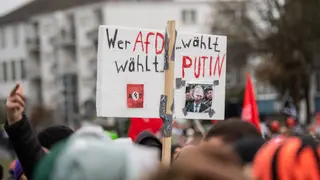
The rise of far-right parties in Europe, notably Germany's AfD, is seen as a boon for Russian President Putin, as these parties often oppose support for Ukraine. The piece argues that such gains could further fracture European unity on the Russia-Ukraine conflict.
AfD's victory in Saxony-Anhalt, coupled with its national polling lead over the CDU, highlights its momentum in former East Germany, where it previously topped Thuringia's 2024 vote. The party is actively courting alliances with the left-wing BSW, which similarly opposes military aid to Ukraine and supports lifting sanctions.
In France, President Macron's departure opens a path for Marine Le Pen's National Rally in 2027, a party that backs reduced military support for Kyiv and favors negotiations. These developments coincide with Putin's diplomatic engagements at the SCO summit and with US envoys in Moscow.
A shift toward far-right governance in Berlin or Paris could significantly weaken the European Union's unified stance on Russia, potentially altering the trajectory of the conflict in Ukraine. This may embolden Moscow while creating internal friction over sanctions and defense spending. For citizens, such political realignment could reshape national policies on immigration, energy, and social issues, leading to deeper societal divisions and uncertainty about Europe's long-term security framework.