Predicting and Avoiding Strategic Quagmires: Lessons from Great Powers
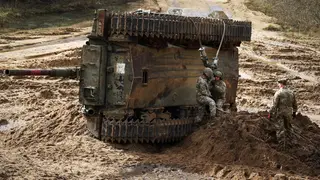
Stephen M. Walt argues that great powers can predict and avoid costly conflicts, citing China's relative success in staying out of quagmires compared to the United States and Russia. He attributes U.S. missteps to post-Cold War hubris and the 'forever wars' in Iraq and Afghanistan, as well as lesser engagements. The piece offers a framework for recognizing warning signs of strategic quagmires.
Walt attributes U.S. missteps to post-Cold War overconfidence, citing prolonged wars in Iraq and Afghanistan, along with smaller engagements in Libya, Yemen, Syria, and Africa. He also critiques the unsuccessful Israeli-Palestinian mediation, which he argues was compromised by acting as Israel's advocate, and notes Trump's Iran policy as another predictable trap.
Russia's post-2000 record includes frozen conflicts, failed backing of Yanukovych and Assad, and the Ukraine war, which damaged European relations and increased dependence on China. In contrast, China has avoided such costly engagements, concentrating instead on building power domestically.
This analysis could shape public debate over military intervention, encouraging voters to demand clearer exit strategies before conflicts begin. It may also prompt policymakers to adopt more rigorous pre-war assessments, potentially reducing long-term costs in lives and treasure. For rival powers, the framework could inform their own strategic planning, subtly shifting the balance of international influence.