Climate Finance Shortfall Leaves Nepal Waiting for Promised Aid
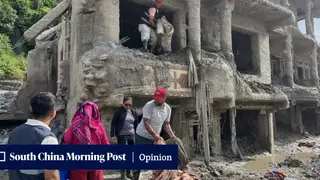
The article argues that climate pledges have not translated into actual money for vulnerable nations. Nepal, after a glacial flood, sought funds from the UN Loss and Damage Fund but has received no payout. The author calls for Cop31 to focus on delivering existing finance rather than new pledges.
The glacial flood in Nepal occurred late last month, prompting a formal application to the UN Loss and Damage Fund. Nepal's request, framed as a liability issue given its negligible greenhouse gas emissions, sought US$20 million. However, the fund has yet to disburse any money since its inception, with its first payout decision scheduled only for December.
While Nepal waits, the international calendar has been busy with high-level gatherings, including a climate finance week in Istanbul, CEO meetings in Baku, and a Pacific leaders' summit in Palau. The upcoming Cop31 in Antalya, Turkey, is just nine weeks away, highlighting the contrast between diplomatic activity and actual financial delivery.
Delays in disbursing loss and damage funds could leave disaster-affected communities in Nepal and similar vulnerable nations without timely relief, hindering recovery and rebuilding efforts. This bureaucratic inertia may erode trust in multilateral climate mechanisms, potentially prompting other at-risk countries to seek bilateral agreements or prioritize domestic adaptation strategies instead. The precedent set by Nepal's experience could shape how future climate disasters are financially managed, influencing the effectiveness of Cop31's outcomes for frontline populations.