Netanyahu leans on victimhood narrative to counter genocide accusations ahead of elections
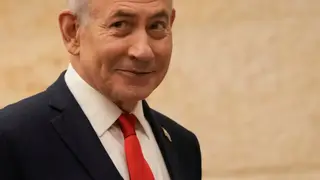
Israeli Prime Minister Benjamin Netanyahu is using a familiar strategy of self-victimization and blame-shifting as he heads into his 13th national election. He has taken legal action against a report claiming the UAE warned him about the 2023 Hamas attack and released an advertisement portraying himself as a bullied child. Critics say this approach helps him deflect from accusations of genocide and security failures.
Netanyahu's latest campaign maneuvers frame him as a besieged figure. He initiated legal action against a Haaretz report alleging the UAE warned him about the 2023 Hamas assault, labeling it foreign interference. He also released an advertisement showing a child bullied by classmates holding "anyone but Bibi" signs.
Analysts note his populist rhetoric positions him as a defender of ordinary citizens against a powerful internal elite. He has also engaged in symbolic rivalry with far-right minister Itamar Ben-Gvir, holding separate events to commemorate the Irgun militia's historical suppression, framing it as a collective grievance. These tactics align with global populist patterns of championing perceived underdogs.
This strategy could deepen societal divisions within Israel, reinforcing loyalty among his supporters while intensifying distrust among critics who view it as a deflection from accountability. Internationally, it may erode confidence in Israeli electoral integrity and complicate responses to genocide allegations. The focus on historical grievances could also empower far-right factions, potentially normalizing extreme positions and shifting the broader political discourse further rightward.