Friends Frequently Take on Caregiving Duties for Older Adults
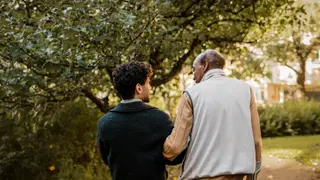
Many older adults receive assistance from friends rather than family members. These informal caregivers often fill gaps in support systems. The trend highlights the growing role of non-family caregivers in aging communities.
The reported trend indicates a notable shift in who provides essential daily support to the aging population. While family has traditionally been the first line of assistance, friends are increasingly stepping into this role.
These informal caregivers act as a crucial safety net, stepping in when formal support systems or family networks are insufficient. The growing prevalence of such non-familial assistance points to a broader evolution in community-based care for older adults.
This shift could have significant societal implications. Older adults may benefit from expanded support networks, potentially reducing isolation. However, friends who take on caregiving duties may face increased emotional and practical burdens, especially without formal training or respite. Community organizations could need to recognize these informal relationships, potentially offering resources to sustain them. The long-term sustainability of relying on friends for elder care may depend on broader social recognition and support structures.