Pennsylvania's Federally Funded EV Chargers Face Real-World Usage Questions
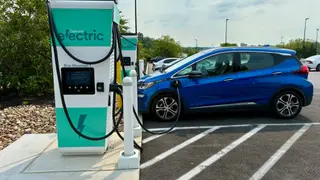
A 500-mile road trip across Pennsylvania highlights the uneven performance of the state's expanding electric vehicle charging network. While a federally subsidized station near a Pizza Hut sat nearly empty, a nearby Tesla Supercharger was busy with travelers. The contrast raises doubts about whether the $4.5 billion NEVI program is effectively meeting driver needs.
The federal NEVI program allocated $4.5 billion for charging infrastructure, with one Pennsylvania installation costing $705,000. During a 500-mile test drive, this taxpayer-funded site saw almost no usage, while a privately built Tesla station nearby was busy. Critics, including a libertarian think tank and the GAO, question the program's efficiency and lack of performance metrics.
Conversely, transportation analyst Nick Nigro argues the initiative targets future needs rather than current adoption rates. Despite Pennsylvania ranking 29th in per-capita EV ownership, lawmakers have already cut $500 million from the program and plan no further funding. The author's experience highlights the tension between immediate usage and long-term infrastructure goals.
The disparity between subsidized and unsubsidized stations could influence future federal and state spending decisions. If underutilized sites persist, public support for continued funding may wane, potentially slowing rural charging buildouts. Conversely, if the infrastructure enables future adoption, early investments may eventually pay off. The outcome could shape whether rural communities gain reliable access to clean transportation or remain dependent on private networks.