Hobbyist revives 1950s vacuum tubes in a room-sized 8-bit computer
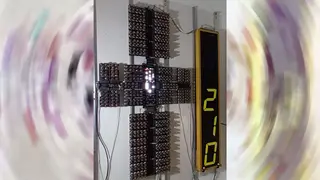
A self-taught electronics enthusiast named Mike has constructed a modern 8-bit computer using 460 recycled Soviet 6N3P double triode tubes from the 1950s, along with germanium diodes. The machine requires about 15 minutes to warm up, runs extremely hot, and its tubes have a limited operational life of roughly 500 hours, so spares and a fire extinguisher are kept on hand. This is Mike's third vacuum-tube computer project, and he documents the build on Hackaday.
The machine is mounted on a 190 by 130 centimeter acrylic panel supported by aluminum box sections. Its logic core performs only five arithmetic operations—sum, carry, not, increment, and XNOR—using a non-pipelined six-step fetch cycle. Mike's earlier tube-based builds reportedly suffered catastrophic failures, making this third iteration a notable survival.
Currently, the system runs an airship simulator guiding a British R80 from Brighton to Paris. This project deliberately revisits the architecture of early mainframes, which relied on similar valve arrays before the industry shifted to transistors and integrated circuits.
This project could inspire a niche community of retro-computing hobbyists to explore obsolete components, potentially driving demand for vintage parts and fostering educational interest in fundamental logic circuits. It may also serve as a cautionary tale about energy inefficiency and heat management, reminding engineers of the trade-offs that shaped modern silicon. While unlikely to affect mainstream consumers, it could influence how enthusiasts approach hands-on electronics learning.