Global markets show resilience despite oil spike and rising yields
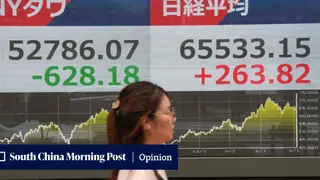
Brent crude surpassed $100 a barrel amid Middle East hostilities, and long-term G7 bond yields hit their highest level since 2000, yet global economic data has beaten expectations for the longest period on record. The author argues that despite these threats and trade tariff uncertainty, growth and equity markets have remained surprisingly strong.
Oil crossed $100 on September 9th amid Middle East hostilities. Bank of America warned a renewed Iran-US escalation could be especially damaging because the world lacks the oil stockpiles it held earlier this year. Simultaneously, long-term G7 bond yields hit their highest point since 2000, with US 10-year yields nearing the 5% threshold that typically pressures stocks.
Yet Deutsche Bank's George Saravelos noted global data has outperformed forecasts for the longest streak on record, excluding the 2009-10 rebound. This resilience continues despite US tariff policies that strain alliances and erode confidence in American assets, creating a puzzling scenario where growth defies significant geopolitical and financial headwinds.
Households could face higher energy and borrowing costs if oil prices stay elevated and bond yields remain high, potentially squeezing disposable income. Businesses may encounter increased financing expenses and supply-chain disruptions from tariff uncertainty. Conversely, the surprising economic resilience could allow central banks and governments to manage geopolitical shocks without triggering a severe recession. Investors might see continued equity gains, but volatility could rise, affecting retirement savings and corporate investment decisions.