AI Avatars for Rural Care Draw Skepticism from Local Health Leaders
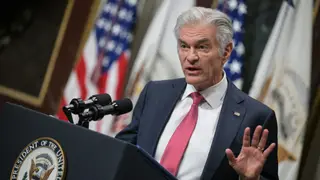
The Trump administration promotes AI avatars as a solution for rural healthcare shortages. However, rural health leaders remain doubtful about the technology's effectiveness. Federal investments are being directed toward AI for heart failure, vaccines, and other health initiatives.
The federal government is championing digital avatars as a means to bridge gaps in rural medical access. Yet, community health officials are voicing reservations about whether these virtual tools can genuinely replace in-person care.
Funding is currently being channeled into artificial intelligence applications targeting specific conditions, including heart failure and vaccine distribution, alongside broader health projects. This financial backing highlights a growing reliance on tech-driven solutions, even as frontline leaders question their practical utility in underserved areas.
The push for AI avatars could reshape access to care for rural populations, potentially offering quicker consultations where physicians are scarce. However, if local skepticism persists, adoption may lag, leading to a disconnect between federal policy and on-the-ground needs. Patients in these areas may experience uneven benefits, while health leaders could face pressure to implement tools they distrust. The outcome may hinge on whether technology proves reliable enough to earn community confidence.