US Cancer Drug Shortages Persist, Forcing Treatment Workarounds at Major Centers
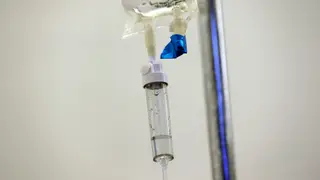
A new survey reveals that shortages of cancer medications continue across the United States, prompting leading cancer centers to adopt alternative treatment strategies. Many institutions also report that these shortages are disrupting clinical trial enrollment and execution.
The survey underscores that the scarcity of cancer drugs is not a fleeting problem but a sustained one. This ongoing lack of supply forces major treatment facilities to modify their standard protocols, seeking out substitute medications or adjusting dosage schedules to maintain patient care.
Beyond direct patient treatment, the survey highlights a secondary consequence: the impact on medical research. The scarcity is interfering with the ability to enroll patients in and properly execute clinical trials, potentially slowing the development of new therapies.
Persistent drug shortages could place significant strain on patients battling cancer, as they may face delays or changes to their prescribed regimens. This uncertainty may also affect oncologists, who must make difficult decisions under constrained resources. Furthermore, the disruption to clinical trials may slow the pace of medical innovation, potentially extending the timeline for future treatments to reach the broader public. The overall system's resilience is being tested.