Heat extremes expanding beyond summer months in many regions
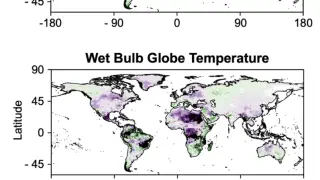
A new study finds that in over half of the world, extreme heat events are increasingly occurring outside the traditional peak summer period. The research defines local heat seasons based on 1980s patterns and tracks how heat days are shifting into the two months before and after. The authors note that such off-season heat can be especially dangerous because people are less acclimatized and cooling infrastructure may not be ready.
The study, published in AGU Advances, compares extreme heat timing between the 1980s and the 2015-2024 decade using two separate climate reanalysis datasets. It defines a region's "local heat season" as the three consecutive months where extreme heat was most frequent during the 1980s baseline.
The research tracks both dry and humid heat extremes, using wet-bulb globe temperature to account for humidity, wind, and solar radiation. Findings indicate that in the 1980s, over 90% of land areas experienced most of their extreme dry-heat days within that single traditional season, whereas now these events are shifting into adjacent months.
Communities in regions where heat is creeping into spring and autumn could face heightened health risks, as residents may be less physiologically adapted to high temperatures outside peak summer. Local governments and public health systems may struggle to activate cooling centers or heat advisories early enough. Agricultural workers, outdoor laborers, and older adults could be especially vulnerable to these off-season extremes, potentially straining emergency services and increasing heat-related illnesses.