California's Gas Power Decline Accelerates as Solar and Storage Expand
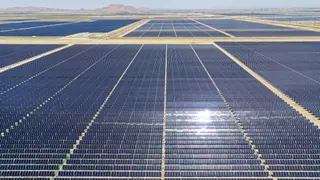
California's use of gas-fired electricity has fallen sharply, with a 15 percent drop in 2025 and a 26 percent decline in the first half of 2026 compared to the same period last year. The state's shift is driven by massive utility-scale solar buildouts, battery storage, improved regional grid sharing, and consumer rooftop solar. Analysts point to batteries as the key factor enabling the state to rely less on natural gas while meeting peak demand.
California's gas-fired electricity output peaked in 2014 and has since fallen in eight of the past eleven years. Recent data shows a 15% drop in 2025 and a 26% decline in the first half of 2026 compared to the prior year. Renewables now outpace gas in the state's generation mix.
Analyst Ed Smeloff attributes the acceleration primarily to battery storage, which charges on abundant daytime solar and discharges during evening peaks. This shift has largely displaced inefficient, costly peaker plants. Additionally, improved regional grid sharing and consumer rooftop installations have reduced reliance on imported power, occasionally making California a net exporter.
This transition could reshape energy markets by lowering wholesale electricity prices during peak hours, potentially benefiting ratepayers and reducing air pollution in urban areas. However, grid operators may face new challenges managing intermittent solar output and battery cycling. Utilities and consumers could see shifting cost structures, while neighboring states might experience altered power trading dynamics. The reliance on batteries may also influence future infrastructure investments and regulatory decisions across the western United States.