Seoul's Hormuz Deployment Dilemma: Alliance Strains Under U.S. Pressure
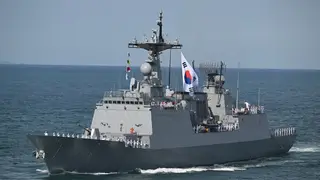
South Korean President Lee Jae-myung's administration is close to seeking legislative approval for a noncombat naval deployment to the Strait of Hormuz, following U.S. pressure. The navy is operationally capable, but the decision is politically fraught due to Korea's complicated history with Washington. Iran has issued public warnings against the move, adding to the diplomatic tension.
The proposed operation would involve noncombat naval vessels and maritime aircraft, a mission the South Korean fleet is technically prepared to execute given its prior anti-piracy patrols in the region. However, domestic resistance is strong, with public opinion polls showing majority opposition and ongoing demonstrations outside the presidential compound, while the National Assembly remains sharply divided between cautious left-wing factions and right-wing lawmakers urging loyalty to Washington.
The political friction is compounded by historical precedent, specifically Seoul's deployment of combat troops to Vietnam between 1964 and 1973 in exchange for American aid—a decision that still draws criticism as an example of being leveraged by the United States. This legacy, alongside President Trump's simultaneous reduction of joint military drills, places President Lee in a precarious position where any choice risks damaging the alliance's credibility.
This decision could significantly reshape South Korean domestic politics, potentially intensifying ideological rifts over national sovereignty and alliance obligations. It may also affect regional stability, as Iran's warnings could escalate into economic repercussions for Korean shipping interests in the Persian Gulf. Furthermore, the strain on the U.S.-South Korea alliance might embolden other allies to reconsider their own commitments, weakening Washington's broader security network in Asia.