Swedish city of Malmo at center of election debate over immigration
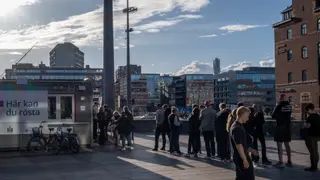
Ahead of Sweden's national election, Malmo, a city where over a third of residents were born abroad, has become a focal point for far-right parties. Voters in the city express concerns about integration and economic pressures, while the national race remains tight between left and right blocs. The far right often uses Malmo as a symbol of failed immigration policies.
Malmo, Sweden's third-largest city with 368,000 residents, has over a third born abroad, placing it at the heart of the tight national election. Far-right Sweden Democrats campaign directly against the Left Party in the central square, using the city as a symbol of failed integration.
The city's "Million Programme" housing estates, built from 1965 to 1974, originally housed working-class Swedes before becoming home to migrants and refugees, creating segregated residential zones. Despite this, residents like Anfal Mahdi and footballer Zlatan Ibrahimovic emphasize the strong community bonds formed in these areas, challenging the far-right narrative.
The election's focus on Malmo could influence national immigration policy regardless of the outcome. A right-wing victory may lead to stricter integration measures, directly affecting migrant communities in segregated suburbs. Conversely, a centre-left win might preserve existing welfare approaches, though far-right pressure could still push mainstream parties toward harder stances. Residents of Million Programme areas could face shifting socioeconomic conditions and public perception, potentially impacting social cohesion and daily life.