Indonesia's Economic Growth Fails to Ease Public Discontent as Prabowo's Approval Drops
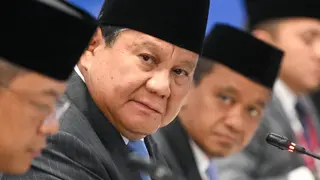
Indonesia maintains roughly 5 percent GDP growth, yet President Prabowo Subianto's popularity is declining as many citizens face stagnant wages and rising living costs. The middle class is shrinking despite the country's large working-age population and abundant resources. Growing economic frustration is beginning to translate into political challenges for the administration.
Indonesia's demographic advantages—a 290 million population with roughly 70 percent of working age—and its vast commodity exports have sustained a 5 percent growth rate since the pandemic. However, macroeconomic stability is undermined by a currency that has fallen about 6 percent to record lows and a stock market among the world's worst performers, prompting MSCI to warn of a potential downgrade from emerging to frontier market status.
Investor confidence has further eroded following Moody's negative outlook revision and the abrupt departures of the finance minister and central bank governor. Public sentiment reflects this instability, with approval ratings plunging from over 80 percent to 51.1 percent, while nearly half of respondents rate the economy poorly and only a third back the flagship free meals program.
The widening gap between aggregate growth and household experience could intensify social friction, especially among the shrinking middle class and those in precarious work. If economic pessimism persists, it may fuel renewed street protests and erode trust in governing institutions. The recent high-level resignations could further destabilize policy continuity, potentially hindering effective responses to living-cost pressures and weakening long-term social cohesion.