Indonesian Peat Fires Worsened by El Niño Trigger Respiratory Crisis
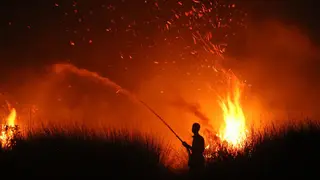
El Niño-driven dry conditions have intensified wildfires across Indonesia, with health officials reporting over 113,000 people treated for respiratory ailments by September 9. The fires, burning in peatlands, release high levels of particulate matter and toxic haze that has spread to neighboring countries like Singapore and Malaysia. Additionally, the blazes have emitted 12.82 megatons of carbon in 2026, a nearly hundredfold increase over typical annual levels.
The El Niño event began forming in June and is forecast to be among the strongest on record. By shifting warm Pacific waters eastward, it alters wind patterns and sea levels, bringing drought to Indonesia while fueling storms elsewhere.
The arid conditions allow fires to smolder underground in peat deposits, a phenomenon similar to the severe 2015 event that hospitalized half a million people. These fires are expected to persist until the rainy season arrives in October or November.
The escalating crisis could strain Indonesia's healthcare system as respiratory cases surge, while the transboundary haze may create diplomatic friction with neighboring nations. Furthermore, the massive carbon release could accelerate regional climate feedback loops, potentially prolonging drought conditions. Communities in fire-prone areas may face recurring displacement and economic disruption, though the arrival of seasonal rains might offer eventual relief.