Israeli strikes hit southern Lebanon as peace talks delayed
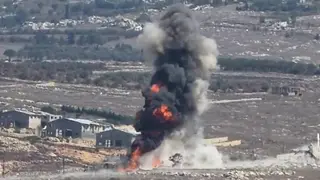
Israel has carried out bombings in southern Lebanon. The next round of US-mediated talks between the two countries has been postponed. The situation remains tense.
The reported Israeli strikes in southern Lebanon come at a delicate moment for regional diplomacy. The postponement of the next round of US-mediated talks between the two countries signals that the path toward a negotiated settlement remains obstructed, even as military actions continue on the ground. Southern Lebanon has long been a flashpoint in the broader Middle East conflict, where local tensions frequently intersect with wider regional rivalries.
The delay in negotiations, combined with active bombing operations, points to a fragile security environment. Without forward movement in the diplomatic track, the risk of further escalation persists. The situation underscores how ceasefire efforts and military operations often proceed in parallel, with each side seeking leverage before returning to the table. The coming days may determine whether the talks resume or whether the current tensions deepen further.
This development could affect civilian populations on both sides of the border, who may face heightened insecurity and disrupted daily life. The delayed talks may also erode confidence in the mediation process, potentially prolonging the conflict. Regional actors and international observers could see this as a setback for stability, with broader implications for trade, displacement patterns, and diplomatic relations across the Middle East. The outcome may shape how future negotiations are approached.