Zack Snyder Ditches CGI and Slow-Mo for Intimate Amazon Drama 'The Last Photograph'
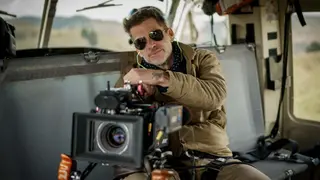
Zack Snyder shot his passion project 'The Last Photograph' in the Colombian Amazon without green screens or slow-motion shots, serving as both director and cameraman. He contracted COVID during the week-long shoot but continued filming. The movie premieres at the Toronto International Film Festival.
Snyder’s production in the Colombian Amazon was a week-long, stripped-down affair, with the director personally operating the camera while battling a severe COVID fever. The film’s modest budget fell below some of his earlier commercial work, and it was financed independently, without studio or streamer backing. He described the process as cathartic, emphasizing that the project owed nothing to franchise expectations or merchandise tie-ins. The story centers on a war photographer haunted by a massacre, a narrative Snyder had carried for two decades.
The premiere at TIFF marks a return to intimate filmmaking after years of large-scale blockbusters. Snyder’s shift from green screens to practical jungle locations and his refusal to use slow-motion—a signature technique—underscores a deliberate departure from his established style. His physical ordeal during production, including the refusal to stop shooting despite illness, highlights the personal commitment behind this passion project.
This film could reshape perceptions of Snyder as solely a spectacle-driven director, potentially broadening his appeal among indie and festival audiences. Its intimate, low-budget nature may inspire other big-name filmmakers to pursue personal projects outside studio systems, influencing how streaming platforms and festivals evaluate auteur-driven work. The story’s themes—trauma, survival, and moral weight—could resonate with viewers seeking more grounded narratives, though its impact will depend on critical reception and distribution reach.