Watchdog Report Exposes Years of Permit Violations at Freeport LNG
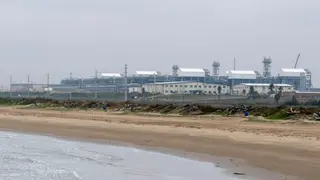
An environmental group's report documents 532 unpermitted emission events at the Freeport LNG terminal since 2019, alongside more than 200 other permit deviations, yet only seven fines were issued by Texas regulators. The facility's annual emissions exceeded permitted limits by more than 100 times, including 1,500 pounds of the carcinogen benzene in 2024. The report criticizes both the operator and the state's enforcement as failing to protect public health.
The report draws on thousands of pages of company self-reported data alongside a month of optical gas monitoring at the site. Freeport LNG's 2022 explosion, which forced an eight-month shutdown, forms part of the backdrop. The company disputes the findings, emphasizing its electric-drive design cuts emissions by over 90% compared to typical LNG plants. Separately, Japan's state-owned lender has opened an investigation into its $2.6 billion financing for the project following complaints from community leaders and environmental groups.
This report could influence how regulators and international financiers view LNG expansion along the Gulf Coast. Communities near the terminal may face heightened health risks from repeated benzene exposure, which the report links to leukemia. If Japanese lenders reconsider their involvement, other backers could follow, potentially slowing future projects. The pattern of minimal enforcement may also erode public trust in Texas environmental oversight, prompting broader scrutiny of similar facilities.