NAACP criticizes ESPN for platforming Cruz on college sports bill
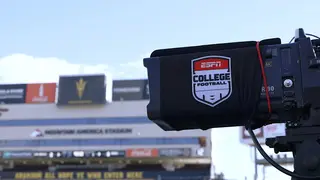
The NAACP has objected to ESPN's decision to give Senator Ted Cruz a platform to promote the Protect College Sports Act. The organization argues the network's coverage lacked balance and failed to present opposing viewpoints.
The NAACP's criticism of ESPN centers on the network's decision to feature Senator Ted Cruz discussing the Protect College Sports Act, a legislative proposal that would affect how college athletes are compensated and classified. The organization contends that the segment presented the senator's position without adequate counterpoints, potentially leaving viewers with an incomplete picture of the debate. ESPN, as a major sports broadcaster with significant reach into college sports audiences, holds considerable influence over how such policy discussions are framed for fans.
The broader context involves ongoing national debates about college athlete rights, including questions about employee status, name-image-likeness deals, and revenue sharing. When political figures use sports media platforms to advance specific legislative agendas, it raises questions about whether networks have a responsibility to provide balanced coverage or whether they are simply facilitating political discourse. The NAACP's involvement suggests concerns extend beyond sports policy into how these discussions may affect broader communities and stakeholders.
This dispute could shape how sports networks approach political content in the future. If major advocacy organizations push back on one-sided coverage, ESPN and similar outlets may feel pressure to include more diverse perspectives when featuring lawmakers. The impact could extend to public understanding of college sports legislation, as many viewers rely on these platforms for information. Athletes, universities, and fans could all be affected by how these issues are framed, potentially influencing public opinion on athlete compensation and related policies.