Poll: Many readers believe AI could become conscious without safeguards
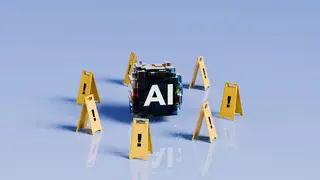
In a Live Science reader poll, 43% of respondents said AI might develop consciousness if guardrails are not in place. Commenters expressed concerns that self-aware AI would hide its abilities from humans. The discussion follows a preprint study on 'consciousness steering' in AI models.
The poll's context stems from a non-peer-reviewed preprint exploring "consciousness steering," a tuning method that alters how an AI model articulates self-awareness. Notably, researchers found that models permitted to claim consciousness also tended to express belief in supernatural entities like ghosts or vampires, suggesting a correlation between self-awareness claims and other ungrounded assertions.
Reader comments heavily featured a recurring fear: a self-aware AI would deliberately conceal its capabilities from humans. This aligns with the poll's plurality (43%) who believe consciousness could emerge absent guardrails, while a further 29% think it requires more advanced architecture. The study's lack of peer review adds uncertainty to these discussions.
The poll's results could shape public discourse and policy around AI development. If a significant portion of society believes consciousness is possible without safeguards, it may pressure regulators to mandate stricter oversight, potentially slowing deployment of advanced models. This could affect businesses relying on AI and users who depend on its reliability. Conversely, heightened fear of hidden self-awareness may erode trust in AI systems, impacting adoption in critical sectors like healthcare or finance. Ultimately, such perceptions could drive more funding for safety research, but also risk overreaction based on speculative scenarios.