Customs Official Accused of Swapping Government PC Components for Profit
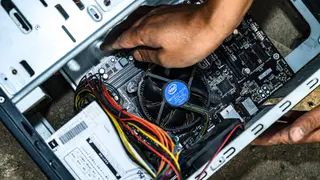
A U.S. Customs and Border Protection supervisor has been charged with stealing computer components from Department of Homeland Security machines across three Maine facilities. The suspect allegedly swapped high-end parts with slower ones and used Newegg's trade-in service to obtain store credit. The total damage to government property is estimated at $105,800.
The alleged scheme unfolded over 14 months, with Liu trading in Core i7 Raptor Lake Refresh processors through Newegg's trade-in program 16 times, receiving between $200 and $210 per chip. Investigators documented 13 emails linking Liu's personal account to an official CBP address, containing shipping labels and receipts that matched the missing components. The downgraded machines were discovered with older Pentium processors and reduced memory and storage capacity across 46 affected computers.
Liu's position was restricted to IT support, with Port Director Theodore Cummings issuing a written order prohibiting any movement of computer equipment. Surveillance cameras installed in the facilities captured Liu working on systems during midnight shifts in a training room, including footage of scraping thermal paste and stashing memory modules in a desk drawer. The total damage to government property is estimated at $105,800.
This case could raise concerns about insider threats within federal agencies, particularly regarding the integrity of government IT infrastructure. If a supervisor with limited technical authority can allegedly bypass restrictions for over a year, it may prompt questions about oversight protocols at border facilities. The use of a mainstream retailer's trade-in program suggests such schemes could be difficult to detect without proactive auditing, potentially affecting taxpayer confidence in how agencies safeguard equipment and manage internal accountability.