Bat genomes reveal immune links to exceptional longevity
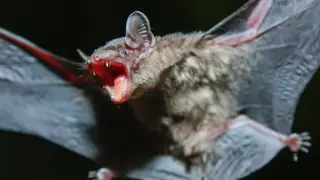
Analysis of eight Myotis bat genomes shows longer-lived species carry higher levels of cancer-fighting immune genes. These bats also employ unusual strategies for clearing damaged cells, potentially avoiding disease for decades. The findings suggest aging and immune defense are tightly connected in these mammals.
The study analyzed eight Myotis bat genomes and found that longer-lived species carry more cancer-fighting immune genes. Researchers collected tissue samples from bats captured across the Western U.S. using mist nets, then grew cell cultures from wing biopsies in the lab.
When exposed to toxic chemicals, cells from the little brown bat—North America's longest-lived bat—activated cell-death pathways rather than DNA repair mechanisms. This self-destruction strategy for damaged cells mirrors what elephants do, suggesting a shared approach to cancer resistance among long-lived mammals.
This research could reshape how scientists approach aging and immunity in humans. If bat immune systems naturally resist decline and fight tumors simultaneously, future therapies might target similar pathways to extend healthy human lifespan. The findings may also influence cancer treatment strategies, though translating bat biology into medical applications would require years of additional research and clinical testing.