Iran mocks US after seizing Navy's Anduril underwater drone, may attempt reverse engineering
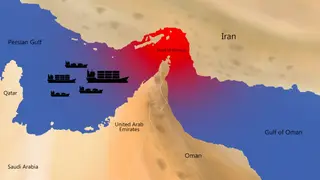
Iranian forces recovered a malfunctioning U.S. Navy Anduril Dive-LD autonomous underwater vehicle near the Strait of Hormuz, prompting Tehran to mock the loss and suggest it will reverse-engineer the craft. The U.S. military and Anduril downplayed the significance, saying the drone was defective and unclassified, but analysts note it still offers propaganda value and a chance to study American undersea technology.
The incident occurred during the seventh month of the U.S.-Iran conflict. The 19-foot Dive-LD was surveying waters near the Strait of Hormuz when it malfunctioned. Tehran's Revolutionary Guard recovered it. The Navy insists it was an older model without sensitive gear.
Historical context shows Iran has previously exploited captured US hardware. After the 2011 RQ-170 capture, Tehran claimed to have reverse-engineered it. A 2022 attempt to tow a Saildrone prompted a US naval response. Analyst Bryan Clark notes mechanical reverse-engineering is feasible, but software defenses may block deeper access.
This incident could reshape how the US military deploys autonomous systems in contested waters, potentially leading to stricter safeguards or remote-wipe capabilities. For Iran, the capture may offer modest technical insights but a significant propaganda boost, affecting public perception of the ongoing conflict. It also underscores the inherent risks of relying on unmanned assets in hostile environments, which could influence future procurement decisions and operational protocols across global navies.