India and China Vie for Leadership of BRICS at New Delhi Summit
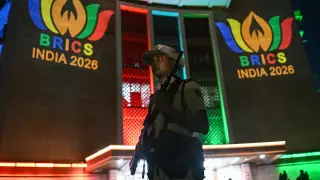
At the BRICS summit in New Delhi, India and China are competing to set the bloc's future agenda. Indian Prime Minister Narendra Modi met with Russian President Vladimir Putin to strengthen ties, discussing ongoing conflicts. The summit reflects the group's struggle to counter U.S. influence amid internal divisions.
The summit marks Xi Jinping's first trip to India in seven years, with sideline talks expected to address the long-running border dispute and China's role as India's largest business partner despite New Delhi's significant trade deficit. India's foreign ministry confirmed Modi and Putin discussed the Russia-Ukraine and Iran conflicts alongside defense and energy negotiations.
India's balancing act remains notable: it is the second-largest purchaser of Russian oil after China, with bilateral trade targeted to reach $100 billion by 2030, while maintaining closer ties with Washington than other BRICS members. Internal friction extends beyond the India-China rivalry, as the UAE suspended all trade with fellow member Iran in August following Tehran's attacks on Gulf allies.
This leadership contest within BRICS could reshape global trade and diplomatic alignments, particularly for developing nations seeking alternatives to U.S.-dominated institutions. How India and China resolve their competing visions may determine whether the bloc becomes a meaningful counterweight or remains fragmented. Energy markets and regional stability could be affected, as member states navigate conflicting pressures between Western sanctions and intra-bloc economic ties.