Fact Check: GOP Healthcare Claims Overstate Drug Price Cuts
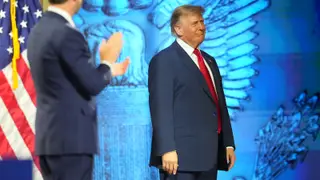
During the Republican midterm convention, officials made claims about lowering drug costs, but fact-checkers note that while prescription prices have dropped, the decrease is not solely due to their policies and a 600% reduction is mathematically impossible. Experts attribute the decline to factors like Medicare negotiation and generic competition. Consumers may not see the savings directly as the figures reflect pharmacy reimbursement rates.
Federal data shows prescription drug prices fell 0.9% in July and are down 3.1% year-over-year, the steepest annual decline since 1963. However, experts attribute this drop primarily to Medicare's new negotiation authority established under the previous administration, along with market competition from generic and biosimilar drugs, rather than the policies touted at the convention.
The reported figures reflect pharmacy reimbursement rates from insurers and consumers combined, meaning patients may not directly experience these savings at the pharmacy counter. Additionally, Trump's repeated claim of 400–600% price reductions is mathematically impossible, as any drop exceeding 100% would imply drug companies paying customers to take their medications.
This story could shape voter perceptions ahead of the midterms, as healthcare costs remain a top concern for many families. The gap between political claims and measurable reality may erode public trust in official statements, while consumers who see no personal savings could become skeptical of both parties' healthcare promises. The dispute over credit for price reductions may also influence future policy debates on drug pricing reform.