Art of Noise's Second Album Revisited: The Electronic Provocateurs Who Foreshadowed Pop's Digital Turn
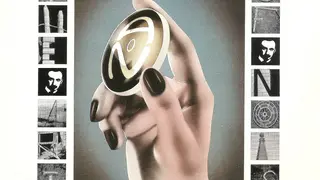
A new retrospective examines Art of Noise's 1986 album, highlighting how the group used early digital sampling to craft collage-like tracks from everyday sounds. The band, which included a programmer, composer, and journalist, rarely performed live and wore masks, yet still scored a Top 10 hit. Their experimental approach is credited with anticipating major shifts in pop, dance, and hip-hop.
Art of Noise's lineup was deliberately unconventional, pairing a computer programmer, recording engineer, and producer with composer and journalist Paul Morley, whose primary duties involved song titles and conceptual framing. The group's studio-based approach meant they rarely toured, instead presenting themselves through eerie kabuki-style masks in promotional imagery. Their second album emerged amid internal friction, with British media covering the split between Morley's "lore-enforcement" faction and the musicians who actually constructed the recordings.
The band operated under ZTT Records, co-founded by Morley and producer Trevor Horn. Morley's earlier 1980 NME essay advocating pop-chart disruption had already influenced acts like the Human League, setting the stage for Art of Noise's fusion of avant-garde techniques with mainstream accessibility. Their collage method—sampling car engines, chopped voices, and everyday detritus—yielded an unlikely Top 10 hit despite the absence of conventional singing.
This retrospective could reshape how listeners understand sampling's lineage, positioning Art of Noise as pivotal figures between experimental music and mainstream pop. Younger audiences discovering the album may gain appreciation for the technical and conceptual groundwork that enabled today's sample-heavy production across hip-hop, dance, and electronic genres. The band's masked, studio-bound persona also anticipates modern anonymity in digital music, potentially influencing how emerging artists approach identity and performance in an era of virtual presence.