Tooro Kingdom succession rift deepens as late monarch laid to rest
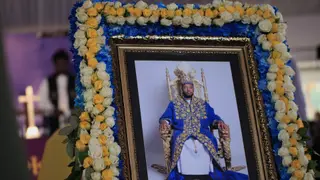
King Oyo Nyimba Kabamba Iguru Rukidi IV of Tooro was buried on September 12, with a royal clan elder formally taking over the throne by performing the traditional coffee-berry ritual. However, the late king's mother and sister contest the selection, citing a 2022 will that names a biological son as heir, a child never publicly identified. Clan elders argue the will cannot override customary succession rules, leaving the kingdom's leadership unresolved.
The succession dispute centers on a 2022 will that reportedly names an unidentified biological son as heir, a claim the Babiito clan elders reject since the child was never presented through customary rites. The elders maintain traditional selection procedures supersede any written testament, backing Prince Edward Rukidi Kijanangoma, a 56-year-old broadcaster, who performed the coffee-berry ritual at the Karambi Royal Tombs.
Oyo's reign began in 1995 when he was three, following his father's death, making him the world's youngest reigning monarch at the time. He was homeschooled in the palace before attending primary school, and childhood friends recall him as warm and compassionate, sometimes sneaking out to play football during holidays. The government has entered talks, but the kingdom's leadership remains unresolved.
The unresolved succession could deepen divisions within the Tooro kingdom, pitting the royal family against clan elders and potentially eroding public confidence in traditional institutions. The dispute may also set a precedent for how customary succession rules interact with modern legal documents like wills, affecting other Ugandan kingdoms facing similar questions. Community members who look to the monarchy for cultural continuity could experience uncertainty, while the government's involvement suggests possible broader political implications for the region's traditional governance structures.