Sweden heads to polls with far-right poised for historic government role
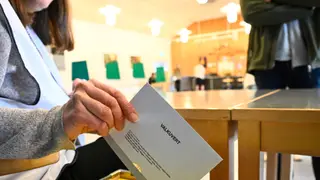
Swedes are casting ballots in a general election that polls show is extremely tight, with the centre-left opposition led by Magdalena Andersson holding a narrow lead over Prime Minister Ulf Kristersson's right-wing alliance. A victory for Kristersson's bloc could bring the far-right Sweden Democrats into government for the first time. Andersson has pledged to boost the welfare state and address the rising cost of living.
The election's outcome hinges on a razor-thin margin, with polls showing the left bloc's lead evaporating in the final days of campaigning. Andersson, who made history as Sweden's first female prime minister in 2021, voted early in Nacka. Her campaign emphasizes welfare expansion and relief for households strained by inflation and rising living costs.
Kristersson's coalition has governed since 2022 with the Sweden Democrats as parliamentary support. That party, which won 20.5 percent of the vote in the last election, has neo-Nazi roots. Kristersson announced in April he would grant the party cabinet positions if his bloc retains power. Roughly eight million of Sweden's 10.6 million residents are eligible to vote, with exit polls expected shortly after stations close.
A right-wing victory could normalize far-right participation in Swedish government, potentially shifting immigration and crime policy significantly. The Sweden Democrats' entry into cabinet would mark a historic break from decades of mainstream exclusion. Conversely, a left win may preserve welfare expansion but leave the country's political divide unresolved. The outcome could influence other European nations where far-right parties seek legitimacy, affecting how voters and institutions respond to similar movements.