Spring Break Derails Alabama Utility Reform Bill
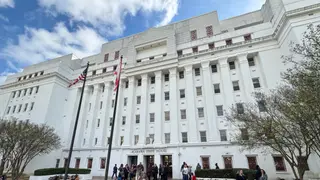
A bill that would have required Alabama Power to undergo its first public rate hearings in 44 years passed the House unanimously, but a Senate substitute filed after the spring recess weakened it. The substitute, introduced by Sen. Sam Givhan, effectively killed the reform effort. The legislation had aimed to cap the utility's profits and limit its political influence.
The House’s unanimous 104-0 vote for HB 475 masked reluctance among many Republicans, who sought an exit after supporting the measure. The bill would have mandated the first public rate hearings for Alabama Power in 44 years, a routine practice elsewhere but absent in a state where the utility’s political influence is widely acknowledged. Residential customers already face the highest bills among major U.S. utilities, with data-center growth threatening further increases.
Sen. Sam Givhan filed a substitute on March 30, the night before lawmakers returned from recess, effectively neutralizing the reform. The original bill aimed to cap profits and curb political power, while the Senate version expanded the Public Service Commission and added a governor-appointed energy secretary—without profit caps or rigorous hearings. Negotiations during the break involved multiple legislators, but Butler’s anticipated deal collapsed.
This outcome could reinforce Alabama Power’s regulatory insulation, leaving residential ratepayers with limited recourse against rising costs, especially as AI-driven data centers strain the grid. The legislative retreat may signal that entrenched utility influence persists despite public pressure, potentially eroding trust in state oversight. However, the unanimous House vote and ongoing scrutiny suggest reform momentum could resurface, affecting future elections and utility accountability debates.