Forecasters Warn of Super El Niño, Florida Mobile Homes at Risk
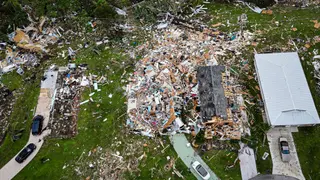
Forecasters put the odds of a strong El Niño, possibly rivaling the 1997-98 event, above 90 percent, peaking between January and March. That pattern increases the likelihood of severe winter storms and tornadoes in Florida, where the deadliest outbreak in 1998 killed 42 people, mostly in mobile homes. Experts say aging manufactured homes are particularly vulnerable and the state lacks accurate counts of them.
The 1998 Kissimmee outbreak remains Florida's deadliest tornado event, with nearly all 42 victims residing in mobile homes or RV parks. Forecasters now place odds above 90 percent for a strong El Niño peaking between January and March, potentially rivaling the 1997-98 pattern that preceded that disaster. Climatologists note the Florida severe-weather signal is real but less certain than national trends, though stronger El Niños increase forecast confidence.
Mobile home residents face 15 to 20 times greater tornado mortality risk than those in permanent housing, yet represent under 6 percent of the nation's housing stock. Park residents experience poverty rates of 31 percent, more than double that of renters. Many are "halfway homeowners," owning their homes but renting the land, leaving them unable to relocate or improve safety. After Hurricane Andrew destroyed 99 percent of mobile homes in Homestead, federal regulations were rewritten in 1994, but aging homes remain vulnerable.
This story could affect hundreds of thousands of Floridians, particularly elderly and low-income residents in manufactured housing parks who face heightened tornado risk during the coming winter. The state's inability to accurately count these homes may hamper emergency planning and outreach efforts. If a super El Niño materializes, communities could see increased strain on disaster response systems, while residents with limited financial resources may struggle to retrofit or relocate ahead of severe weather events.