Uganda's Buganda monarchy persists within modern state
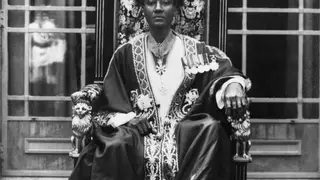
The Buganda Kingdom, a centuries-old monarchy, continues to operate its own traditional institutions inside Uganda's republican framework, including a parliament-like Lukiiko and a prime minister. Under Uganda's constitution, these cultural leaders hold no state powers, but the kingdom's territory spans about 61,000 square kilometres and is home to roughly 12 million people. Historians trace its origins to the late 14th century, with oral traditions reaching back to the 13th century.
The kingdom's governance rests on three pillars: the royal lineage, the selection and tutoring of heirs by senior clan elders, and a council of clan leaders serving as royal advisers. Kabaka Chwa I is credited with forming an alliance of five clans in the early 14th century, later joined by six more. Historian Semakula Kiwanuka notes that oral traditions suggest the strongest chiefdom consolidated its neighbours, though Katu Kintu's historical existence remains unverified, as the name also appears in Buganda folklore.
Buganda maintains its administrative headquarters in Kampala, where its information minister and spokesperson, Owek Israel Kazibwe Kitooke, represents the kingdom's interests. Despite lacking constitutional state powers, the kingdom's traditional institutions continue functioning, with Buganda claiming roughly 12 million people across 61,000 square kilometres of traditional territory. The kingdom's history spans colonial rule, independence, and decades of upheaval, yet its structures have endured.
The persistence of Buganda's monarchy within Uganda's republican framework could shape ongoing debates about cultural identity and governance in the region. The kingdom's large population and territorial claims may influence how traditional institutions interact with state structures, potentially affecting political discourse and community cohesion. Observers may watch whether these cultural institutions gain greater recognition or face renewed tensions with central authorities, which could impact the millions of people who identify with the kingdom.