Venice Prize-Winning Documentary Exposes Alleged IDF Protocols for Civilian Casualties
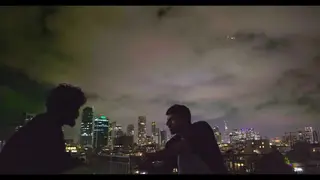
The documentary 'NAZA,' directed by Yuval Abraham and Rachel Szor, won a Special Jury Prize at the Venice Film Festival. It features testimony from 24 Israeli military officers alleging systematic targeting of civilians in Gaza, with the film's title derived from an IDF acronym for civilian casualties. The directors, known for the Oscar-winning 'No Other Land,' shot the interviews clandestinely over three years, using visual effects to protect the officers' identities.
The documentary emerged from a multi-year investigative partnership between the directors and outlets including The Guardian, +972 Magazine, and Local Call, focusing on Israeli surveillance and targeting systems in Gaza. Production involved covert rooftop interviews in Tel Aviv conducted at night, with digital alteration of voices and faces to shield the 24 anonymous military witnesses from identification. The film's title derives from the IDF's internal shorthand for civilian casualties, and its allegations include specific incidents such as a bombing ordered after hacking a child's phone to track her father's movements.
The project received significant institutional backing, with The Guardian serving as producer and Jonathan Glazer, director of *The Zone of Interest*, as executive producer. Its Venice premiere drew a record 25-minute standing ovation, while the IDF has categorically rejected the claims, citing the unverifiable nature of anonymous testimony and reiterating its stated commitment to minimizing civilian harm.
This film could intensify public debate over accountability in conflict reporting, particularly regarding anonymous military testimony and its evidentiary weight. It may influence how international audiences and institutions perceive IDF conduct, potentially affecting diplomatic discourse and media coverage of the Gaza conflict. The directors' prior Oscar success could amplify the documentary's reach, though the IDF's rebuttal suggests contested narratives will persist. Its impact may ultimately hinge on whether verifiable corroboration emerges.