Yeast engineered to convert plastic and plant waste into nutritious 3D-printed snacks
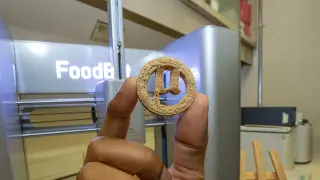
Researchers have modified yeast to break down PET plastic and plant waste, producing ingredients for 3D-printed cookies rich in protein. The system, created with NASA's Deep Space Food Challenge in mind, can generate fats, vitamins, and flavor compounds. It may offer a way to reuse waste while providing food in disaster zones or long-duration space missions.
The system, developed at Southern Illinois University Carbondale, was showcased at the American Chemical Society's fall gathering in Chicago. Graduate student Sandhya Jayasekara collaborated with Associate Professor Lahiru Jayakody on the project. Before the engineered microbes can metabolize waste materials, the plastic and plant matter must be pre-treated and broken into smaller molecular fragments that the yeast can process.
The resulting food product, called µBites, incorporates proteins, fats, vitamins, and even vanilla flavoring generated by the modified organisms. Baker's yeast is among the strains reprogrammed for this purpose. The work emerged from NASA's Deep Space Food Challenge, which seeks ways to sustain astronauts on long missions where resupply from Earth is impossible.
This technology could offer a dual benefit: reducing plastic pollution while creating food in settings where conventional supplies are scarce, such as disaster zones, remote outposts, or space missions. However, public acceptance may prove a significant hurdle, as consumers might hesitate to eat products derived from plastic waste. The approach could complement traditional food production rather than replace it, and its viability will depend on safety testing, scalability, and regulatory approval.