Kosovo parliament ends deadlock, approves Kurti's new government
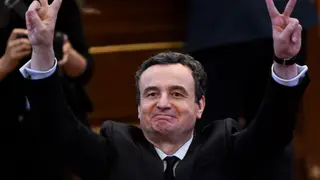
Kosovo's parliament approved a new government led by Albin Kurti, ending three months of political paralysis. The government received 62 votes in the 120-seat assembly. The country still faces a constitutional crisis over electing a president, which may lead to another snap election.
The approval of Kurti's cabinet on Sunday, with 62 votes in the 120-seat assembly, breaks a three-month administrative vacuum, but the underlying constitutional impasse remains. The presidency requires a two-thirds majority, which Kurti's party lacks, and failure to elect a president triggers a fourth snap election in just two years.
A late-August agreement with the opposition LDK to support law professor Bekim Sejdiu unraveled when six LDK lawmakers defected. The crisis is tied to Kurti's confrontational stance toward Serbia, which has alienated Western allies and stalled EU-integration reforms, jeopardizing access to pre-accession funds.
The prolonged political instability could continue to erode public trust in institutions and delay essential reforms. Kosovo's citizens may face further economic uncertainty if EU funds remain blocked, while the unresolved presidency could trigger yet another election, prolonging uncertainty. The government's ability to function effectively may be hampered by the ongoing constitutional standoff, affecting governance and international relations.