20 States and D.C. Sue to Block Weakened Habitat Protections
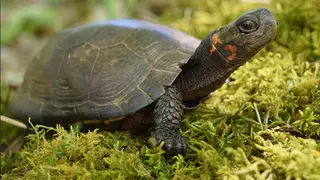
A coalition of 20 states and the District of Columbia filed legal challenges on September 10, 2026, against federal rollbacks of endangered species safeguards. The lawsuits aim to restore habitat protections that were removed after the administration narrowed the definition of 'harm' under the Endangered Species Act. The plaintiffs argue the changes undermine the survival of species dependent on those habitats.
The legal challenge targets two distinct regulatory changes. One redefines “harm” under the Endangered Species Act to exclude habitat degradation that indirectly injures wildlife, reversing a decades-long interpretation. The other alters how federal agencies designate critical habitat, weakening protections for newly listed species and allowing more discretion to exclude lands. Plaintiffs argue these rules violate the Administrative Procedure Act and the National Environmental Policy Act, citing the law’s precautionary intent and prior court rulings. The case, filed in California’s Northern District, unites attorneys general from coastal, interior, and Great Lakes states, reflecting broad geographic concern over species like orcas and salmon.
These lawsuits could reshape how federal agencies balance economic development against species survival. If successful, they may restore stricter habitat safeguards, affecting landowners, developers, and industries reliant on federal permits. Conversely, failure could accelerate habitat loss for vulnerable species, with ripple effects on ecosystems and local economies tied to tourism or fishing. The outcome may also influence future administrative interpretations of environmental laws, signaling whether states can effectively counter federal rollbacks through litigation.