AI doomer warnings spark debate over motives and IPO implications
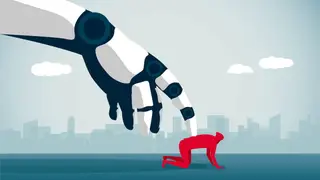
The AI industry is debating existential risk after a researcher resigned from Anthropic and the company's alignment lead said AI could kill all humans with >10% probability. On TechCrunch's Equity podcast, hosts discussed whether these warnings are genuine concerns or a way to showcase advanced AI capabilities ahead of IPOs. The conversation also touched on how such statements might affect Anthropic's S-1 filing.
Jacob Coxon, who previously worked at OpenAI, resigned from Anthropic citing concerns that leading AI companies are "gambling with our lives." Anthropic's alignment lead then shared Coxon's post on X, declaring a belief that AI could kill all humans, estimating the chance at over 10 percent within a decade. The episode was recorded before CEO Dario Amodei published his own plan for more cautious AI development.
On TechCrunch's Equity podcast, hosts questioned whether such warnings reflect genuine concern or showcase advanced AI capabilities ahead of IPOs. They speculated about how Anthropic's S-1 filing might address these claims, with one host joking about lawyers rewriting risk disclosures to acknowledge humanity's possible eradication. The discussion distinguished Coxon's resignation from executives who warn about dangers while continuing development.
These warnings could shape public perception of AI's risks and benefits, potentially influencing investor confidence and regulatory scrutiny as companies like Anthropic approach public markets. If existential claims are taken seriously, they may affect hiring decisions, consumer trust, and how policymakers approach AI oversight. Conversely, if viewed as marketing or hype, they could erode credibility in the industry's safety discussions. The debate may ultimately determine whether AI companies can balance ambitious development with credible risk communication.