Vast prehistoric salt mine network unearthed deep below Austrian Alps
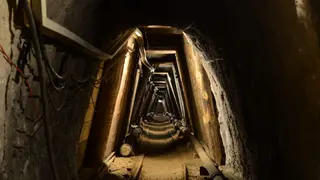
Archaeologists have uncovered an extensive Iron Age salt-mining system stretching at least 300 meters beneath Hallstatt, Austria. The chambers preserved rare organic remains such as food and clothing, shedding light on daily mining life and techniques. Salt production in the valley began around 7,300 years ago, reaching an estimated 1.5 tons per day by 1200 BCE.
The discovery beneath Hallstatt reveals an industrial-scale operation hidden within the mountain, with tunnels extending hundreds of meters deep. The salt’s natural preservative properties have kept perishable items intact, offering researchers an unusually vivid window into the daily routines of Iron Age miners—what they ate, wore, and carried while working underground. These artifacts provide rare, tangible evidence of domestic life in a harsh labor environment.
Salt production in the valley shows remarkable longevity, beginning roughly 7,300 years ago. By 1200 BCE, output had grown to an estimated 1.5 tons daily, indicating a sophisticated, organized workforce capable of sustaining large-scale extraction. This long history positions Hallstatt as a pivotal site for understanding early industrial practices and the economic forces that shaped prehistoric European societies.
This find may reshape how historians understand prehistoric labor organization and trade networks, as salt was a vital commodity for preserving food across ancient Europe. The preserved organic materials could offer unprecedented insight into daily life, potentially influencing museum exhibits and educational curricula. Locally, the discovery may boost cultural tourism to Hallstatt, while archaeologists could gain new research avenues. However, the site’s fragility means preservation efforts will be crucial, and its full societal significance may depend on how effectively researchers share these findings with the public.