Giant stone blocks reveal unknown Etruscan monument at ancient Italian port
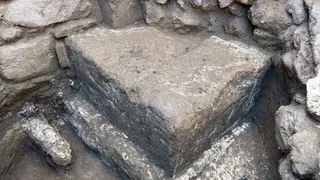
Excavations at Gravisca, the port of Tarquinia, have exposed large limestone blocks beneath Roman layers, indicating the foundations of a previously unknown Etruscan structure. The site was a key trading hub where Greek merchants from Phocaea operated an emporium, connecting communities from Massalia to the Catalan coast. The discovery suggests the building was of monumental scale, though its purpose remains unclear.
The discovery at Gravisca, the ancient port serving the Etruscan city of Tarquinia, emerged when archaeologists digging below Roman-era layers hit massive limestone blocks. These foundations point to a structure far larger than typical for the site, though its function remains a mystery. The port itself was a bustling crossroads, where Greek merchants from Phocaea maintained a trading post, linking distant communities from Massalia to the Catalan coast. This new monument suggests the emporium held more civic or religious significance than previously assumed, hinting at a complex urban layout beneath the later Roman occupation.
This find could reshape understanding of Etruscan maritime power and their interactions with Greek traders. Scholars may reassess how monumental architecture was used in port settings, while local heritage officials might face pressure to expand excavation or preservation efforts. For the public, it offers a tangible connection to a civilization often overshadowed by Rome, potentially boosting tourism and educational interest in the region’s pre-Roman past.