Norman conquest fueled rise of bear-baiting as English entertainment
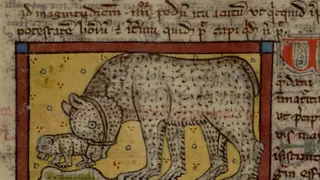
Research from Cardiff and Nottingham universities indicates that bear baiting became a regular pastime in England by the 12th century, after the Norman Conquest of 1066. Analysis of bear bones and historical records shows live bears were imported and moved between towns and castles. Evidence from the Bayeux Tapestry and Domesday Book supports the practice's widespread adoption.
The study's timeline revision places bear baiting's establishment roughly four centuries before its well-documented Elizabethan heyday, tying its emergence to the cultural transformations following 1066. Researchers examined bear remains from ten sites across England and northern France, with a newly dated shoulder blade from Richmond, North Yorkshire, confirming bears reached northern England almost immediately after the conquest. The Bayeux Tapestry's lower margin contains a bear-baiting depiction, indicating the practice was familiar enough to warrant visual reference.
Archival sources, including the Domesday Book and medieval manuscripts, corroborate the archaeological evidence. Since bears required importation from continental Europe—entailing costs for transport and upkeep—their presence across multiple English towns suggests significant investment in the practice. The activity appears tied to marriages, aristocratic leisure, and festive gatherings, yet its reach extended to general public entertainment, as bear bones appear in various urban settings.
This research may prompt historians and educators to revise how medieval English leisure is portrayed, revealing animal spectacles as established earlier than commonly assumed. Heritage institutions displaying the Bayeux Tapestry could add interpretive context about Norman-era entertainment practices. The findings may also encourage further archaeological inquiry into medieval animal trade networks, potentially reshaping understanding of economic and cultural exchange following the conquest. Public awareness of bear baiting's deep roots could inform contemporary discussions about human-animal relationships in historical perspective.