Renewed Yemen clashes drive 46,000 from homes as aid runs short
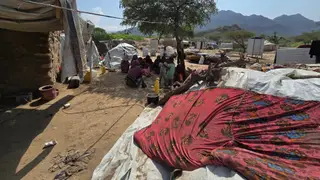
Fresh hostilities in Yemen have forced at least 46,000 people to flee, with the heaviest displacement reported in al-Jawf, Marib, and al-Bayda. Humanitarian agencies are struggling to meet needs due to severe funding gaps, limiting deliveries of food, shelter, water, and hygiene supplies.
The renewed fighting has centered on Yemen’s Red Sea coast, with Houthi forces capturing Mocha and the remaining coastal areas not already under their control on Friday. This territorial gain triggered panic in government-held regions and accelerated displacement, according to the UN’s humanitarian office. Many families, like Aman Murshed’s, had already been living in camps for years after earlier rounds of conflict, hoping to eventually return to their farms and livestock. The latest clashes have shattered those hopes, forcing them to flee on foot at dawn with minimal belongings. Aid agencies report severe funding shortages, limiting deliveries of food, shelter, water, and hygiene supplies to the newly displaced, who often rely on neighbors for basic meals and tarpaulin for makeshift shelters.
This escalation could deepen Yemen’s humanitarian crisis, affecting hundreds of thousands of civilians already dependent on aid. Displacement on this scale may strain host communities and camps, increasing risks of disease, malnutrition, and family separation. The funding gap could leave many without essentials, potentially fueling further instability and prolonging the conflict. Regional and international actors may face pressure to respond, but without sustained diplomatic engagement, the cycle of violence and displacement could persist, with long-term consequences for Yemen’s social fabric and regional security.