Post-9/11 Authorization Reshaped the Balance of War Powers
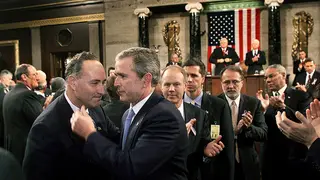
The article examines how Congress's passage of the Authorization for Use of Military Force after the September 11 attacks expanded presidential authority to conduct military operations without formal declarations of war. It argues that this was a deliberate congressional choice that contributed to the growth of the imperial presidency. The effects of that decision continue to influence U.S. national security policy today.
The AUMF passed within days of the September 11 attacks with bipartisan support, reflecting the urgency of that moment. The legislation granted presidents sweeping authority to use military force without returning to Congress for additional approval, effectively placing the nation on a permanent wartime footing. While some lawmakers narrowed certain provisions, the authorization remained exceptionally broad.
The article emphasizes that this expansion of executive power was not inevitable but resulted from deliberate congressional choices. Since 1942, Congress has not issued a formal declaration of war, yet presidents have relied on UN resolutions, authorizations, or executive power to deploy troops. The post-9/11 AUMF stands as one of the most consequential decisions, with effects still shaping national security policy.
The AUMF's legacy could continue to shape how presidents approach military engagements and how Congress responds to future security threats. Citizens may see ongoing debates about repealing or reforming the authorization, with implications for civil liberties and the constitutional balance of power. The article suggests that the imperial presidency is built through congressional choices, meaning lawmakers' future decisions could either reinforce or roll back executive war-making authority.