Looted 16th-Century Brass Portrait of African Monarch Returns to Spotlight
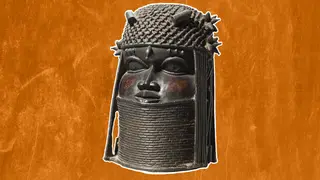
A brass bust depicting an African king, adorned with coral necklaces and braided hair, is among the Benin Bronzes seized by British forces from Nigeria in 1897. The artifact, estimated to be 500 years old, serves as an ancestral commemorative head. Its history highlights the ongoing debate over repatriation of colonial-era looted artworks.
The brass bust depicts an African king with braided hair and coral necklaces, part of the Benin Bronzes collection seized during the 1897 British military expedition into Nigeria. Scholars estimate the artifact dates back roughly five centuries, placing its creation in the early 1500s. Such commemorative heads were traditionally displayed on ancestral altars within royal palaces, serving as visual links between living rulers and their predecessors. The piece's intricate detailing reflects the sophisticated metalworking techniques of the Edo people, whose brass-casting tradition produced some of Africa's most renowned sculptural works. Its presence in Western collections continues to fuel discussions about cultural heritage ownership.
This artifact's visibility may reignite public discourse on colonial-era acquisitions held by Western museums. Institutions in Europe and North America could face renewed pressure from Nigerian authorities and diaspora communities to accelerate repatriation agreements. Cultural institutions may need to balance scholarly preservation with ethical stewardship, while audiences gain awareness of how historical violence shaped modern museum collections. The story could influence institutional policies regarding provenance research and long-term loans, potentially affecting how similar contested objects are displayed and discussed worldwide.